
The French Space Agency, known as CNES, has partnered with a consortium led by Thales Alenia Space, a joint venture between Thales of France and Leonardo of Italy, to explore direct-to-device 5G connectivity.
The initiative, called U DESERVE 5G, aims to test whether a satellite in low-Earth orbit can provide high-speed communications directly to smartphones and fixed terminals, eliminating the need for ground stations. At the project’s core is a payload featuring an active antenna that enables voice calls and data transfers straight from space to mobile devices.
Enhancing Global Connectivity
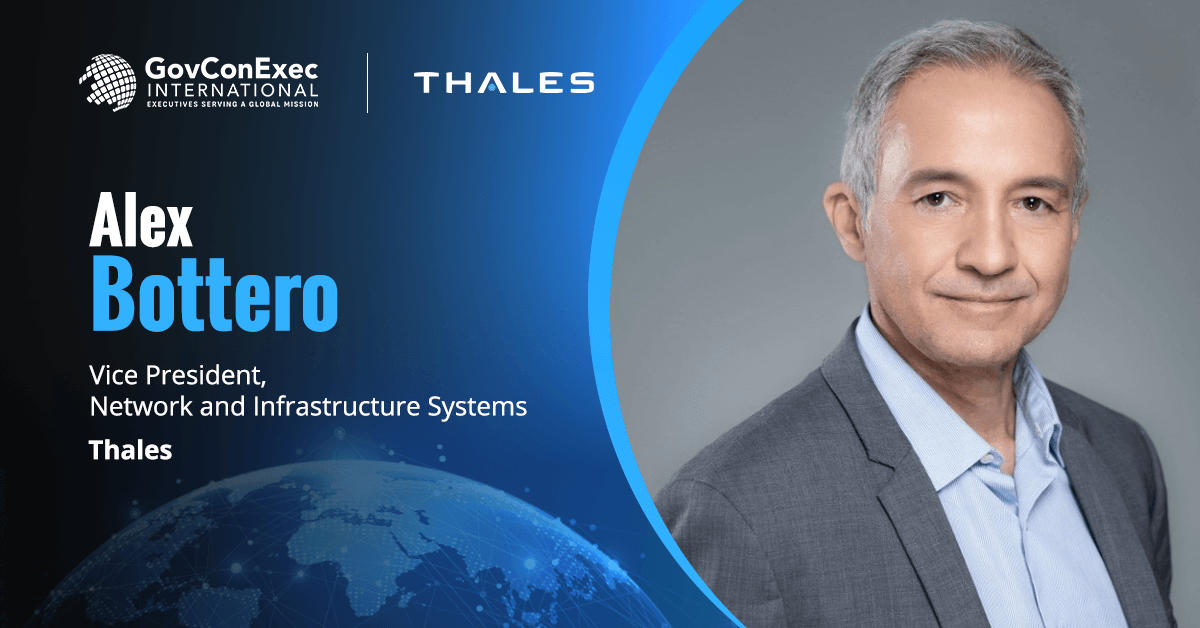
“This pioneering 5G-by-satellite project represents a major breakthrough for Thales and the telecommunications industry,” said Alexandre Bottero, vice president of networks and infrastructure systems at Thales. “By developing 5G [nonterrestrial network] modem solutions enabling high-speed connectivity, even in the most remote areas, we’re laying the groundwork for the future of global communications.”
A key objective of the project is to assess how seamlessly devices can switch between ground-based and satellite coverage, a crucial step for achieving global, uninterrupted connectivity.
“This new 5G D2D project paves the way for Thales Alenia Space to provide high-speed coverage in areas not served by terrestrial networks, as well as emergency or continuity services in crisis situations,” said Stéphane Anjuère, 5G venture leader at Thales Alenia Space.
Europe’s Digital Sovereignty
The demonstration will integrate the expertise of European and U.S. partners, including Capgemini, a French multinational that will provide radio access solutions and 4G/5G core networks.
“We are particularly proud to be contributing to this strategic initiative alongside Thales Alenia Space, Thales and all of our partners and to be collaborating once again with CNES to advance French and European technological sovereignty,” said Angélique Lallouet, executive director of Capgemini Engineering in France.
U DESERVE 5G is part of the $63.4 billion France 2030 investment plan, which prioritizes securing the nation’s strategic independence in various sectors, including digital technologies.
Recent reports noted the billion-dollar investment boost the French government provided to Eutelsat in June, increasing the state’s stake in the Paris-based satellite operator to nearly 30 percent. This move aims to enhance European satellite capabilities and reduce reliance on foreign infrastructure, such as SpaceX’s Starlink.
France, through Eutelsat and Thales Alenia Space, is also contributing to the European Union’s IRIS² satellite constellation, which is expected to be operational by early 2030.