

Lithuania and Poland have joined the growing number of nations aiming to enhance Europe’s capability to respond to threats. The initiative will cover improving force movement in the region, strengthening NATO’s defense and unifying the alliance’s fuel reserve system.
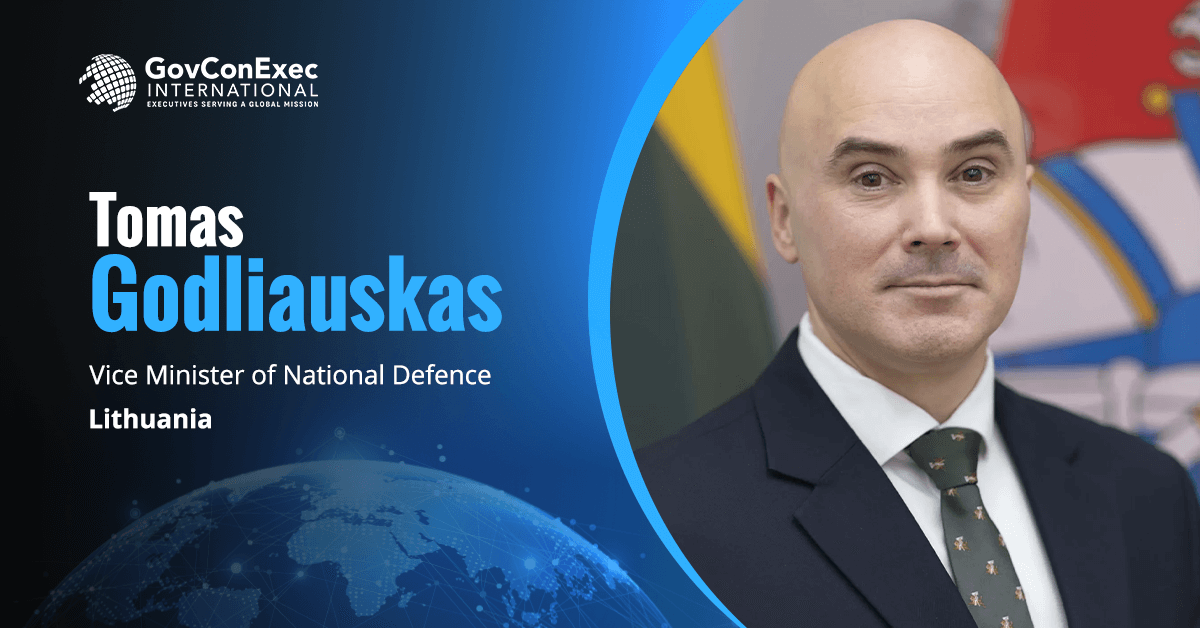
Tomas Godliauskas and Orijana Masale, two of Lithuania’s defense vice ministers, met with Polish counterparts on Thursday in Vilnius to discuss several planned projects.
“Together with the other Baltic allies, Lithuania and Poland are working hard to add the East Shield and Baltic Defence Line agendas to European Union priorities. We not only seek EU ReArm funding but also assess the EU Multiannual Financial Framework prospects,” Godliauskas said.
Cezary Tomczyk, Poland’s vice minister of national defense, who headed the visiting delegation during the talks, described the partnership between the two nations as a chance to “demonstrate that the East Shield and the Baltic Defence Line are actually one project to all of us.”
The Potomac Officers Club is hosting the 2025 GovCon International Summit in October, gathering industry leaders and experts to share their insights on the evolving government contracting landscape amid heightened political instability and the emergence of new technologies. Register now.
Countermobility Arsenal
In support of the initiative, the Lithuanian government plans to invest $1.3 billion over 10 years to strengthen the nation’s countermobility arsenal. The pledge comes after closing a $24.3 million deal with Latvia in April to acquire Marine Alutech Oy Ab-made multipurpose attack vessels.
According to Masale, the collaboration also allows Polish manufacturers to establish a presence and collaborate with local businesses in Lithuania. He said it is an “excellent opportunity for business development and national economy growth.”
Vilnius has been campaigning to ensure Europe is ready to respond to adversarial threats. In January, National Defence Minister Dovile Sakaliene called on NATO during a visit to The Hague in the Netherlands to set a minimum defense spending requirement to ensure regional security. Lithuania also recently agreed to host German forces to boost NATO defense and security.