

The U.K. Royal Air Force’s MQ-9 Reaper remotely piloted air system has completed its final operational flight after nearly two decades of service.
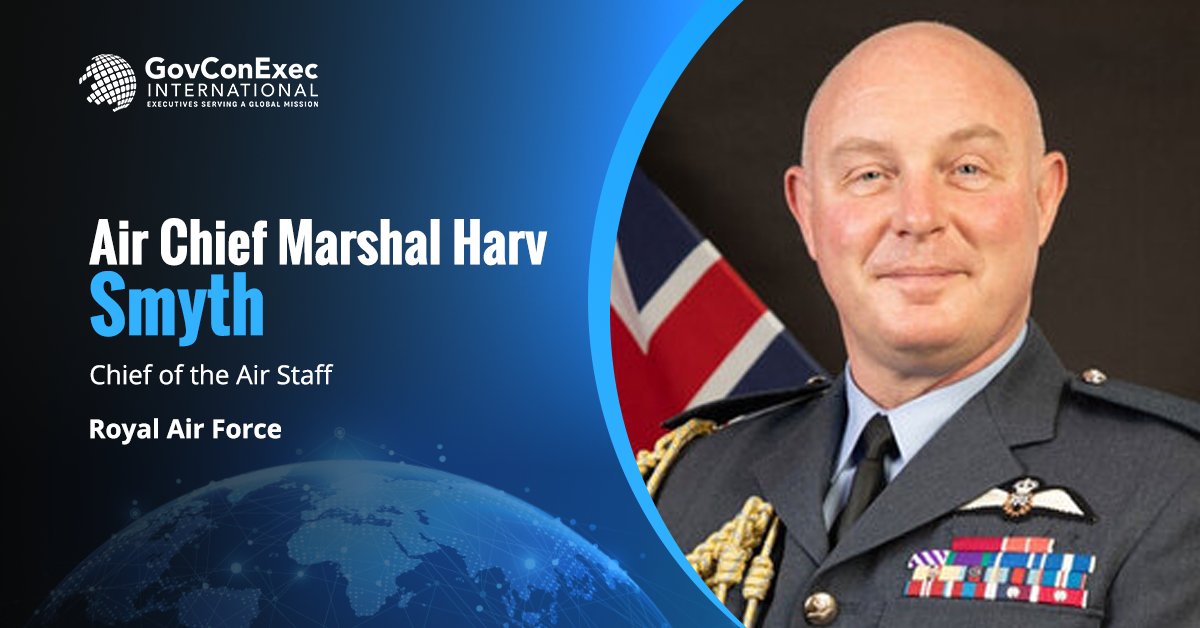
Air Chief Marshal Harv Smyth, the RAF chief of the Air Staff, referred to the drone as the backbone of the service’s operations in the Middle East.
“Its capabilities have been critical in supporting U.K. and coalition forces, and it has made a significant contribution to the RAF’s ability to be agile, integrated and ready to fly and fight,” Smyth said. “Amassing an astonishing number of operational flying hours, I am incredibly proud of all the RAF personnel who have been involved in its highly skilled operation over so many years.”
The RAF integrated the Reaper into its operations in October 2007 to support missions in Afghanistan. It later played a crucial role in Operation Shader, protecting both warfighters and civilians in Iraq and Syria. According to the service, the Reaper has since accumulated 173,000 flying hours — equivalent to about 20 years of flight time.
Crews from XIII Squadron have been operating the MQ-9, which requires a pilot, a sensor operator and a mission intelligence coordinator. Most of these personnel are based at RAF Waddington.
General Atomics Aeronautical Systems Inc., the unmanned system’s manufacturer, has provided depot repair, life cycle sustainment and technical support for the RAF fleet. The company’s most recent contract ended on Sept. 30.
The MQ-9B Protector remotely piloted aircraft will replace the Reaper. It can operate for up to 40 hours and is equipped with advanced sensors, infrared imagery and synthetic aperture radar for intelligence, surveillance and reconnaissance missions.