
U.S. and Portuguese navies enhanced their ability to counter undersea threats while testing new unmanned technologies during NATO’s dual exercises: Robotic Experimentation and Prototyping with Maritime Unmanned Systems 25 and Dynamic Messenger 25.
The Virginia-class nuclear-powered fast-attack USS New Mexico joined forces with Portugal’s Tridente-class NRP Tridente and surface combatants NRP Francisco de Almeida and NRP Setúbal for combined anti-submarine warfare drills. Notably, the USS New Mexico also deployed a submarine-launched unmanned aerial system as part of the exercises.
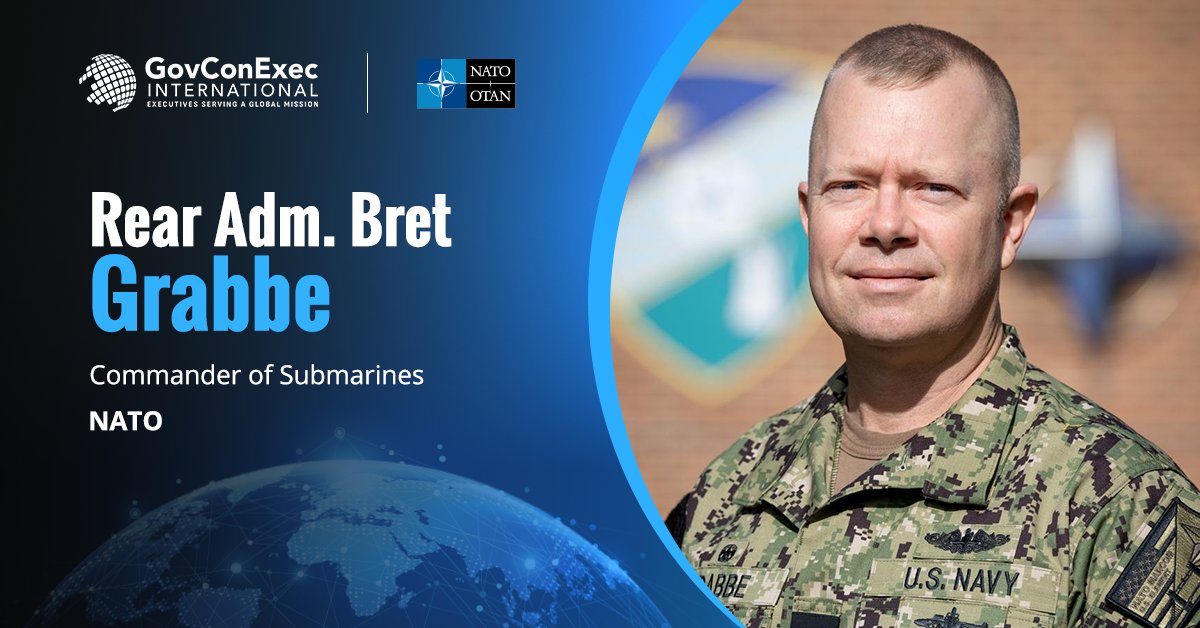
The anti-submarine warfare training and the operational experimentation demonstrated how allied forces can “integrate submarines with unmanned platforms to achieve operational advantage,” according to Rear Adm. Bret Grabbe, commander of NATO submarines. He emphasized that such collaboration “enhances interoperability and paves the way for future operations where traditional and emerging technologies must operate seamlessly in high-threat, multi-domain theatres.”

Discover how open architectures, interoperable systems and logistics superiority are reshaping today’s global defense landscape at the Potomac Officers Club’s 2025 GovCon International and Global Defense Summit on Oct. 16. Reserve your spot today.
Undersea Infrastructure Protection
Vice Adm. Robert Gaucher, commander of the U.S. Submarine Force/Allied Submarine Command, said that the operations underscored NATO’s shared responsibility to secure critical undersea infrastructure. “By demonstrating interoperability between our platforms, people and robotic autonomous systems, we build the capability and capacity to share the burden of defending our critical undersea infrastructure,” the official said.
NATO military and industry leaders have been exploring ways to better protect undersea infrastructure. In December 2024, they agreed to enhance situational awareness, improve information sharing and boost overall preparedness. Jean-Charles Ellermann-Kingombe, NATO’s assistant secretary general for innovation, hybrid and cyber, noted that leveraging innovation and technology — particularly enhanced sensing and monitoring — will be central to these efforts.