
- Lockheed-backed site to repair, refurbish and recertify allied PAC-3 interceptors
- Germany, Netherlands, Sweden to lead the facility’s supply chain
- DOW ties selection to NATO 3.0 commitments from Ankara Summit
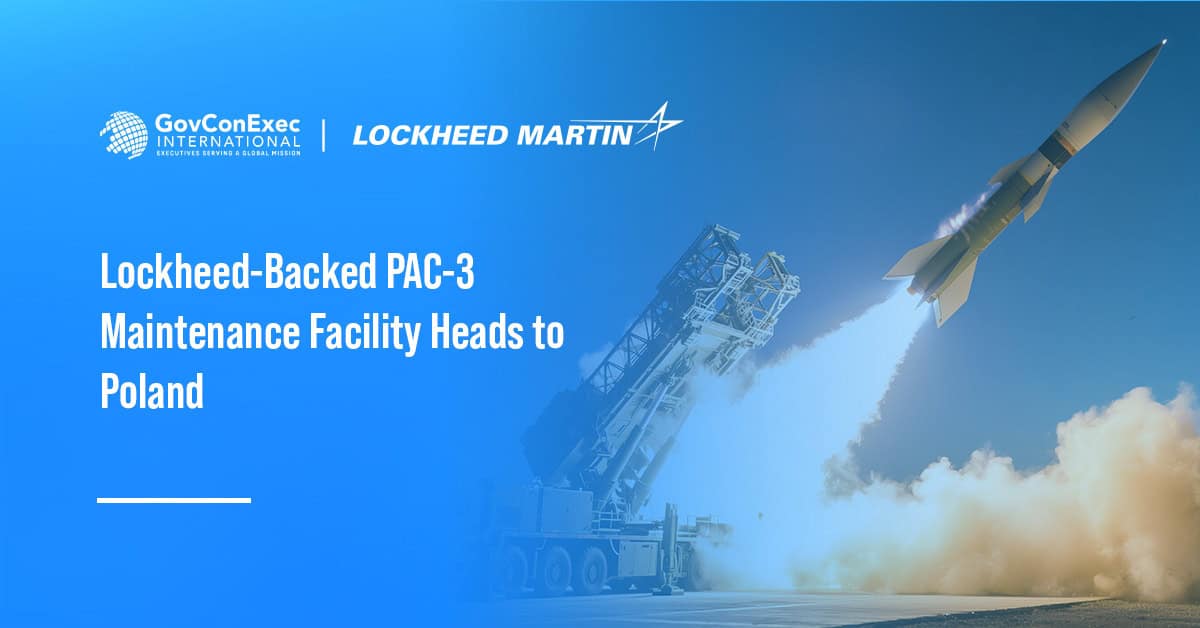
Poland will host the European Patriot Advanced Capability-3 Missile Maintenance Facility, or MMF, moving interceptor repair work for NATO allies closer to the alliance’s eastern flank, the Department of War said Tuesday. Lockheed Martin, which plans to establish the MMF, aims to shorten how long allied operators wait to get serviced interceptors back.
The DOW made the announcement on the sidelines of a NATO Conference of National Armaments Directors meeting, noting that the U.S. picked Poland together with Lockheed and European allies. In a separate statement, the company confirmed plans to establish the dedicated facility in coordination with the U.S. government.
What Will Poland’s PAC-3 Missile Maintenance Facility Do?
The MMF will serve as a sustainment hub for allied PAC-3 interceptors, according to Lockheed. Planned work spans testing, recertification, repairs, refurbishment and support across each missile’s service life before it returns to allied units. Keeping this work in Europe is also intended to help allied air and missile defense forces scale up support quickly during a crisis, the DOW explained.
Who Is Backing the Facility’s Supply Chain?
Germany, the Netherlands and Sweden will anchor the supply chain behind the facility. All three joined the U.S. and Poland in signing a July agreement to speed up PAC-3 sustainment across Europe.
Tim Cahill, president of Lockheed Martin Missiles and Fire Control, pointed to the company’s more than 75 years of work with Europe, adding that “the PAC-3 MMF represents the next evolution of that partnership.”
Lockheed Martin International President Jay Pitman noted that the arrangement deepens the company’s ties with industry in all four European countries while opening the door to more contract work for vendors in the U.S. and Europe alike.
How Does the Facility Tie to NATO 3.0 & the Ankara Summit?
The department framed the selection as follow-through on industrial pledges allies made at the Ankara Summit in July under the “NATO 3.0” framework, calling the facility another step toward European allies leading their own conventional defense. Air defense was already on the agenda in Ankara, where the NATO Support and Procurement Agency announced plans to buy 200 PAC-3 and 700 PAC-2 missiles during the summit’s defense industry forum.
Michael Duffey, under secretary of war for acquisition and sustainment and a 2026 Wash100 Award winner, described allies’ decision to put national money into sustainment on NATO’s eastern edge as a sign the alliance is “serious about deterrence.” The acquisition chief has made defense industrial base resilience a central priority since taking office in June 2025.
What Does the PAC-3 Facility Mean for Poland’s Defense Industry?
According to Lockheed, the facility will plug into Poland’s existing defense industrial base, with the goal of bringing skilled jobs to the country and new business to Polish companies. The project comes as the company works to ramp up interceptor output. In July, the DOW raised the total value of Lockheed’s multi-year contract for PAC-3 Missile Segment Enhancement interceptors to $58.62 billion, and Lockheed aims to triple its production capacity for the missile by the end of 2030.