
Lockheed Martin has signed a memorandum of understanding with Mitsubishi Electric to provide an anti-jamming payload for Japan’s Next-Generation Defense Satellite Communication System.
Lockheed Martin said Tuesday that its payload will provide interoperability with allies and partner nations to strengthen the satcom systems’ resistance to interference.
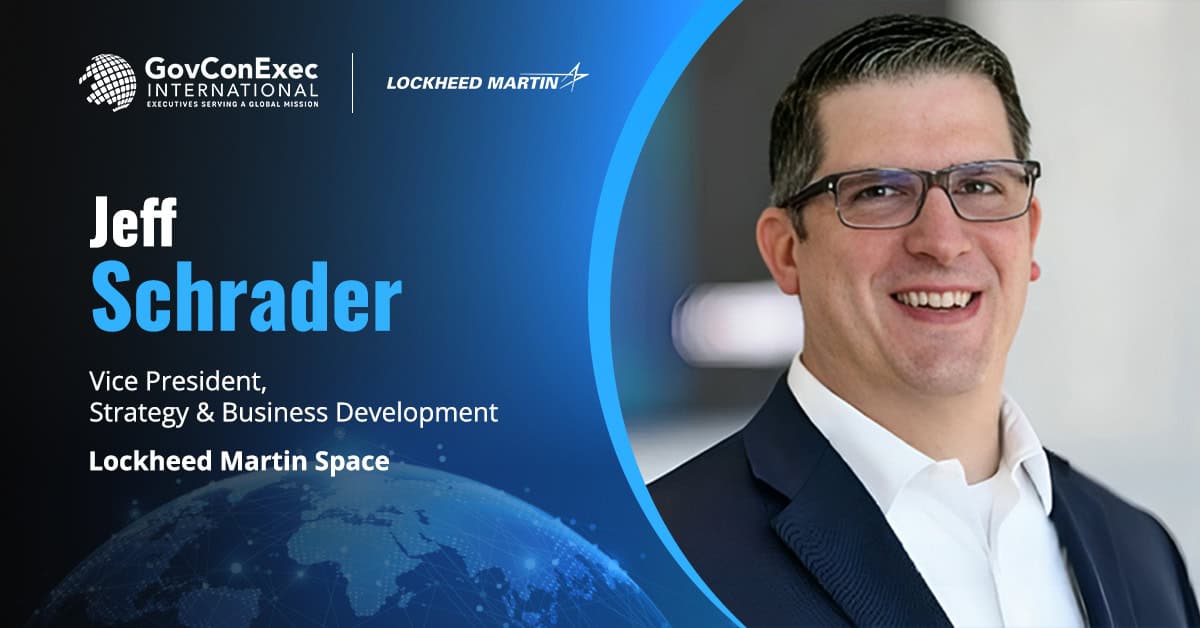
“We look forward to collaborating with Mitsubishi Electric to deliver a proven, next-generation communications capability for Japan,” Jeff Schrader, vice president for strategy and business development at Lockheed Martin Space, stated. “With our significant investments in advanced design and manufacturing and a focus on international growth and support of our allies, we’re bringing spacecraft solutions forward quickly to meet the needs of our global customers.”
The next-gen defense satcom will serve as a successor to Japan’s currently operational X band system. It will also deliver expanded frequency bands to meet future communication demands.
How Will Lockheed Martin & Mitsubishi Electric Collaborate on the Satcom?
Under the MoU, Lockheed will serve as a mission partner to Mitsubishi Electric, which secured a contract from the Japan Ministry of Defense to deliver geostationary defense communications satellites. Lockheed will develop the payload at its facilities in Colorado and then hand the technology over to Mitsubishi Electric for final assembly, integration and testing in Japan.
According to Lockheed, beyond the payload, the companies will also explore opportunities to provide additional geostationary communications satellites to Japan and the Asia-Pacific region.
Why Did Lockheed Martin Team Up With Fujitsu?
Earlier this year, Lockheed Martin and Fujitsu signed an agreement to co-develop dual-use technologies. According to the companies, the partnership will focus on quantum and edge computing, artificial intelligence and machine learning, advanced microelectronics, and next-generation multi-domain network.
Craig Martell, vice president and chief technology officer at Lockheed, said the collaboration will position the companies as leaders in critical technologies.