
The United States needs to establish a multilateral supply chain and customs agreement to stop bad actors or countries of concern from accessing critical technologies such as semiconductor chips, according to Nicholas Henderson, a research associate at the U.S. Naval War College. Henderson, who specializes in Chinese international economic policy, wrote in a post on...
Category: General News
NZ Eyes Increased Pacific Presence Under New National Security Strategy
New Zealand will increase information sharing with its partners in the Pacific and create a new Pacific national security and intelligence coordinator role as part of its newly released strategy that aims to address security challenges and establish a greater presence in the region. The National Security Strategy was published along with a Defense Policy...
East Asia Trip Underscores US Commitment to Partnerships on Nuclear Security
National Nuclear Security Administration Principal Deputy Administrator Frank Rose met with Japanese officials in mid-July to discuss nuclear security issues, geopolitical challenges and Russia’s ongoing military aggression against Ukraine. In a meeting with Kano Koji, Japan’s defense policy chief, Rose said the United States created a strategy document meant to address security threats. He highlighted...
NSA Head Wants Section 702 of Surveillance Act Reauthorized
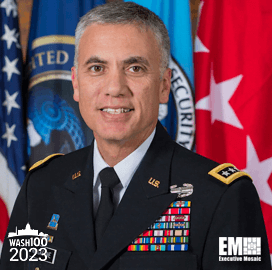
Army Gen. Paul Nakasone, chief of the National Security Agency, said Section 702, which is described in the intelligence community as one of the “crown jewels” of American spying, should be reauthorized. According to Nakasone, a seven-time Wash100 Award winner, Section 702 is the “most important authority” the IC uses daily. It saves lives and...
Rafael Wins Multiyear Maintenance Contract From Asian Nation Customer
Israeli company Rafael Advanced Defense Systems has secured a multiyear contract to provide maintenance support for an unnamed Asian government customer’s naval operational systems. The contract has an estimated value of $27 million. Under the deal, the Tel Aviv-headquartered defense company will ensure that the customer’s Typhoon and Mini-Typhoon remotely controlled naval weapon stations are operating...
Tunisian Air Force Receives First Delivery of Textron Next-Generation Military Trainer
Textron Aviation Defense has delivered the eighth Beechcraft T-6C Texan II military training aircraft to the Tunisian Air Force under a Foreign Military Sales contract. The aircraft arrived at Sfax Air Base following a one-month training of Tunisian pilots on the T-6C Texan II in the United States. Participants learned about flight controls, general handling...
Romanian Defense Ministry Seeks Parliamentary Approval for F-35 Fighter Jets
Romania’s Ministry of National Defence is looking to receive parliamentary approval of its $6.5 billion proposal to purchase F-35 Lightning II fighter jets from Lockheed Martin. The ministry submitted its request following the decision by the Supreme Council on National Defense, the country’s autonomous administrative authority, on April 11 to allow the aircraft acquisition, Defense...
6 Defense Companies From Brazil, Saudi Arabia Eye Joint Venture
Four Brazilian and two Saudi defense companies have signed a memorandum of understanding for potential joint ventures and technology-sharing agreements during an investment forum held in Sao Paulo on Aug. 1. The Brazilian signatories are rocket and missile maker Avibras, weapons manufacturer Taurus, aircraft battery producer Ocellott and aviation specialist Avionics Services, while on the...
DSCA Opens Letters of Credit Option for US Allies
The Defense Security Cooperation Agency has broadened third-party financing options under the U.S. Foreign Military Sales program by allowing partner nations the use of letters of credit in their purchases. The new Bank Letter of Credit policy follows the Credit Assured Payment Schedules term of sale codified in January providing FMS partners with a standby...
EO Empowers Treasury to Regulate US Tech Investments in China
President Joe Biden signed an executive order Wednesday authorizing the Department of the Treasury to regulate U.S. technology investments in China and other countries of concern. The regulatory measure covers three technological sectors sensitive to national security, namely: semiconductors and microelectronics, quantum information technologies, and artificial intelligence. The EO follows extensive and thorough consultations by...