

The Global Combat Air Programme, or GCAP, composed of Japan, the United Kingdom and Italy, presents challenges and opportunities for Japanese firms.
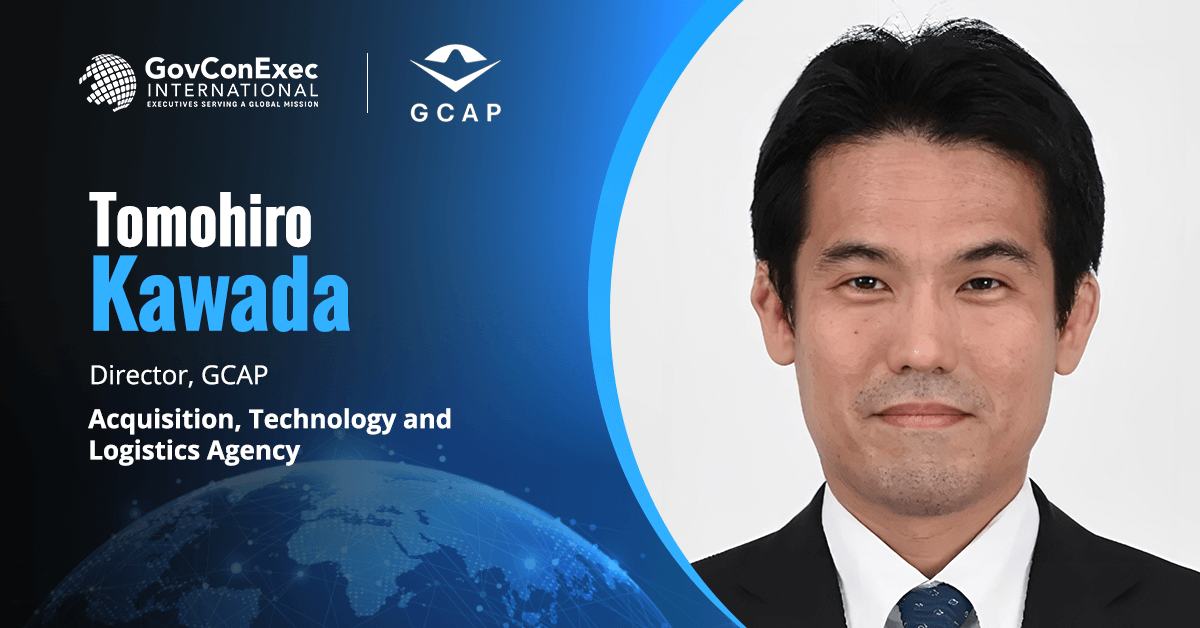
In a recent panel discussion at the DSEI Japan conference, Tomohiro Kawada, GCAP director at Japan’s Acquisition, Technology and Logistics Agency in the Japanese Defense Ministry, noted that the defense industry needs to remedy the loss of domestic suppliers who have shifted to the commercial market, Breaking Defense reported Friday.
Restoring Japan’s fighter aircraft manufacturing capabilities is another challenge that has to be addressed, the Japanese official said in the report.
To restore the Japanese skills last seen 30 years ago in the development of the Mitsubishi F-2, ATLA has been pursuing research and development in fighter technologies since 2010, according to Kawada.
The R&D initiative enabled Japan to reinvigorate its design expertise in combat aircraft before the country joined GCAP, he pointed out. “Through these efforts, ATLA hopes to maintain and strengthen the foundation of Japan’s defense industry,” he added.
Supply Chain Window for Japanese Projects
Aside from ATLA, the Japan Aircraft Industrial Enhancement Company is also supporting the country’s participation in GCAP and helping boost the domestic aerospace industry through the development of its supply chains.
Kimito Nakae, JAIEC president, said during the panel discussion that other companies in GCAP members — the United Kingdom and Italy — have opportunities to build supply chains for future Japanese projects. JAIEC is jointly owned by GCAP prime contractor Mitsubishi Heavy Industries and the Society of Japanese Aerospace Companies, with some 130 companies as members.
Phil Brooker, the GCAP International Government Organization’s program and technical director, also underscored during the DSEI conference the need for a supply chain to deliver capabilities across the Euro-Atlantic and Indo-Pacific regions.
“Our top priority is establishing a robust, flexible and secure supply chain capable of supporting the platform’s readiness but with built-in redundancy to mitigate risk and sustain operations even in challenging environments of unexpected conditions,” Brooker stressed.