
Infleqtion has received a $2.7 million grant from the U.K. government to enhance the performance of its neutral atom quantum computing platform, Sqale. The 12-month project, called SQALE2, also aims to increase the speed of quantum gate operations at the National Quantum Computing Centre in Oxfordshire by up to a hundredfold.
The company said the program will focus on developing optical and control technologies that enable parallel quantum operations, a critical step toward scalable and commercially viable quantum systems. Infleqtion will collaborate with British research institutions, including the Fraunhofer Centre for Applied Photonics, the National Physical Laboratory, the University of Strathclyde and the National Quantum Computing Centre’s Quantum Software Lab.
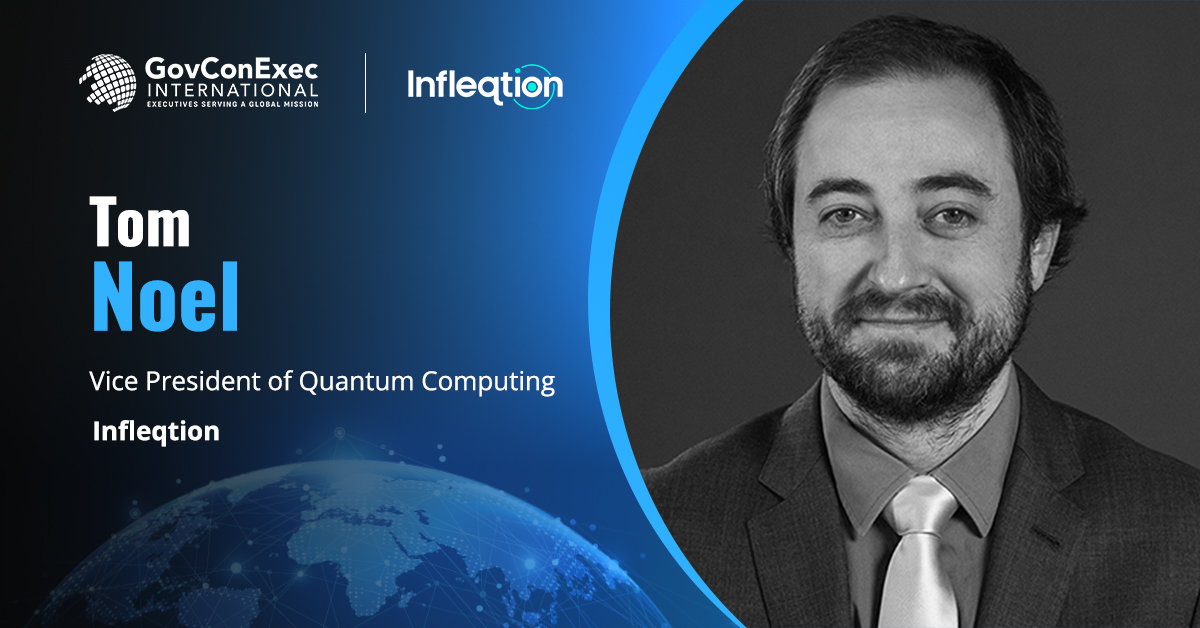
Infleqtion’s platform manipulates neutral atoms with laser light and does not need fabricated solid-state qubits, offering greater stability and control. “By combining the unique strengths of neutral atom technology with advanced optical control and characterisation frameworks at the NQCC, we are enabling faster, deeper, and more reliable quantum circuits,” said Tom Noel, vice president of quantum computing at Infleqtion.
Strathclyde, NPL and Edinburgh researchers will independently verify the SQALE2 project, guided by industry standards and newly developed frameworks.
This new grant builds upon Infleqtion’s involvement in U.K. quantum technology initiatives. Earlier this year, the Boulder, Colorado-based company collaborated with the Defence Science and Technology Laboratory on developing a quantum atomic clock for military applications. Tested with the Royal Navy and Army Futures at BattleLab, the clock has potential applications in improving the precision and security of military operations and enhancing global navigation systems.