
The Federal Police of Brazil has renewed Earth data and insights provider Planet Labs' contract to continue providing daily monitoring of the country's rainforests for another 12 months. The extension, granted under the Brasil MAIS Program, will see Planet Labs work with its local partner SCCON Geospatial, providing organizations in the South American nation with continuous monitoring of 8.6 million square kilometers of Brazilian territory and marine coast areas. With satellite imagery, the Brazilian police has collected $3 billion in fines associated with illegal logging, mining and other activities affecting the Amazon forest.


Hello, Guest!
Category: Technology
Post
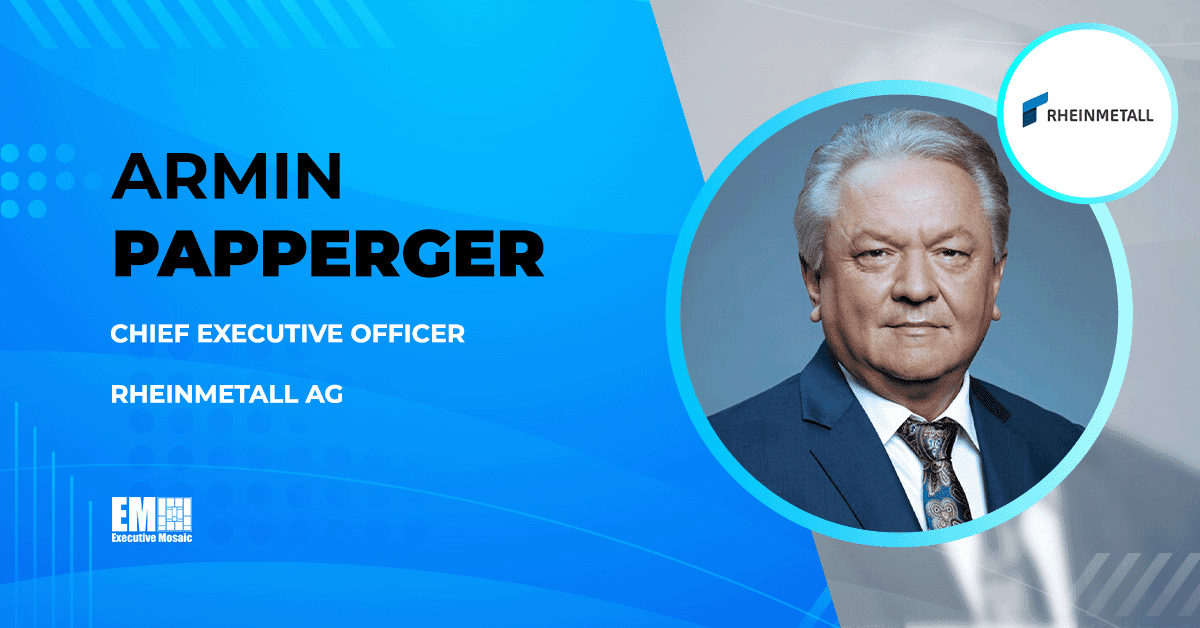
Rheinmetall, Honeywell Team Up for Next-Gen Military Tech
Rheinmetall and Honeywell have signed an agreement to develop new technologies, with an initial focus on advanced visual systems and auxiliary power units for military vehicles. The two defense contractors also plan to explore opportunities in localized maintenance for the German armed forces, industrial high-energy applications, counter-unmanned aircraft systems and electronic warfare. "The list of potential areas of cooperation for our two companies is long. We are grateful to have gained Honeywell as a strategic partner given their long history of innovation and broad technological portfolio," Rheinmetall CEO Armin Papperger said.

Post
IBM Opens Quantum Data Center in Germany, Its First Outside US
IBM opened a quantum data center in Germany on Tuesday, the first of its kind outside the United States and the second such facility in the world. A ribbon-cutting ceremony marked the launch of the new location, with several government and company leaders in attendance, including German Chancellor Olaf Scholz, IBM Quantum Vice President Jay...
Post
French Company Naval Group Secures Contract to Upgrade Netherlands’ Submarines
French shipbuilder Naval Group has signed a delivery contract to build four Orka-class submarines for the Royal Netherlands Navy. The deal, sealed on Monday by Dutch State Secretary for Defence Gijs Tuinman and Naval Group CEO Pierre Eric Pommelet, will replace the military service's aging Walrus-class fleet. The new vessels — HNLMS Orka, HNLMS Zwaardvis, HNLMS Barracuda and HNLMS Tijgerhaai, based on France's Barracuda nuclear-propelled attack submarines — will feature upgraded sensors, communication systems and a cruise missile launch capability. Naval Group is expected to deliver the first two orders within 10 years.
Post
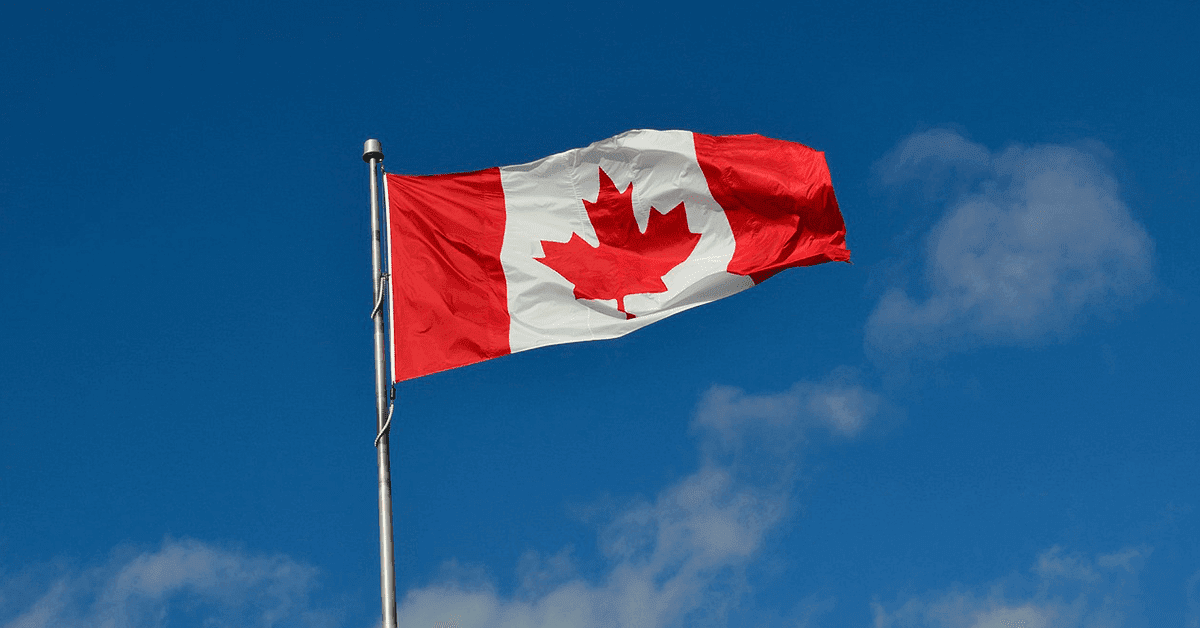
Royal Canadian Navy Completes Forward Rearmament of Halifax-Class Frigate in Australia
The Royal Canadian Navy rearmed the missiles on the HMCS Vancouver warship while the vessel was deployed in the Indo-Pacific. The exercise was performed at the Broome Port Jetty in Western Australia, which was made possible through close coordination with the Australian Defence Force and members of the Australian Defence Industry. The ammunition was transported using a CC-177 Globemaster from the Royal Canadian Air Force. HMCS Vancouver Commanding Officer Cdr. Tyson Bergmann said the dedication and effort of the vessel's sailors will be used as an example for future endeavors.

Post
Canadian Firm to Supply Equipment for US Navy’s OK-410 Handling and Stowage Group Systems
The U.S. Navy has awarded Canadian Commercial Corp. a $110.7 million contract to procure OK-410 Handling and Stowage Group systems, overboard fairlead assemblies and spare parts for use on anti-submarine warfare combat systems in DDG-51 class and other ship classes. CCC will help source a contractor to supply the equipment, which will be produced in Peterborough, Ontario, through September 2029. Funding will come from Foreign Military Sales funds and Navy funds from fiscal 2024 other procurement, shipbuilding and conversion funds.
Post
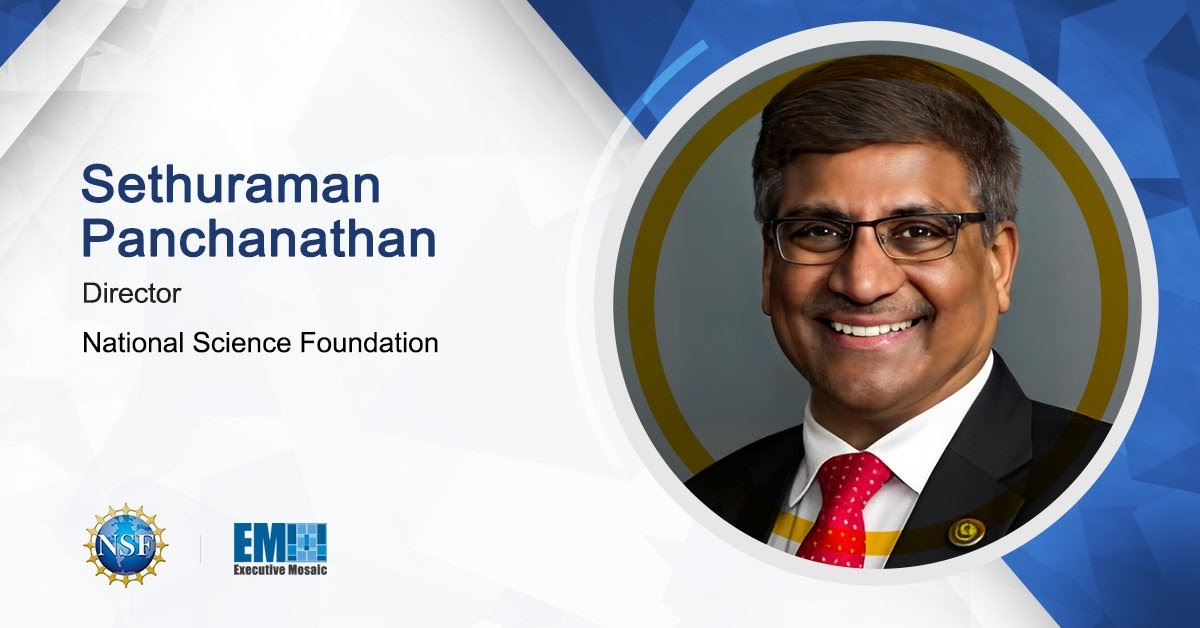
US Leads International Collaboration to Advance Emerging, Agricultural Technologies
The U.S. National Science Foundation and its counterparts from India, Japan and Australia have pledged to back research efforts to advance emerging and agricultural technologies that would benefit food security in the Indo-Pacific region. They hope to support multilateral research by launching an initiative called AI-ENGAGE, short for Advancing Innovations for Empowering NextGen AGriculturE, that will accept proposals that focus on artificial intelligence, communications, robotics and sensing. According to NSF chief Sethuraman Panchanathan, the four nations expect the collaborative research opportunity to introduce new ways to use these emerging technologies to secure the world's farms in the future.
Post
Australia Receives US OK for Northrop’s Air-Launched Anti-Radiation Missiles
The U.S. government has approved Australia's possible acquisition of air-to-ground tactical missiles from Northrop Grumman in a deal valued at $405 million. Canberra's request is for up to 100 extended range versions of the AGM-88G advanced anti-radiation guided missile plus AGM-88G AARGM-ER guidance and control section spares. Northrop will also deliver several non-major defense equipment items under the deal. According to the Defense Security Cooperation Agency, the acquisition will enhance Australia's aircraft survivability with a capability to address existing and future threats from land- or sea-based radar emitters.
Post
GA-ASI Industry Event to Provide Funding Opportunity for Dutch Tech, Aerospace Companies
General Atomics Aeronautical Systems Inc., in partnership with the Dutch Ministry of Defence and the Dutch Ministry of Economic Affairs, will hold the Blue Magic Netherlands event on Nov. 19 in Eindhoven to provide Dutch tech and aerospace companies the opportunity to propose innovative technologies, seek funding and connect with industry leaders. Brainport Development, Brabant Development Agency, Spacened and Lockheed Martin Ventures are among GA-ASI’s partners that will accept dual-use product proposals focused on artificial intelligence and machine learning, autonomy, advanced materials, advanced manufacturing, sensors and navigation, and space. Interested companies are invited to register on the event website no later than Oct. 28.

Post
US, Allies Endorse Principles to Enhance Resilience of Undersea Cable Networks
The governments of 16 countries and the European Union have endorsed a set of principles designed to protect global undersea cable infrastructure from security threats and enhance its resilience to natural or man-made hazards. The United States, Australia, Canada and the United Kingdom were among the countries that introduced the principles at the 79th annual United National General Assembly, highlighting the reliance of several nations on undersea cables for global communication. The endorsers encouraged incorporating cybersecurity best practices to build and maintain the infrastructure and strengthening international cooperation to promote the selection of secure and verifiable subsea cable providers.